

The Geopolitics of Compute: Big Tech Infrastructure and Changing Alliances
 Jun 07, 2026
•
Jun 07, 2026
•
 NodeToLearn Expert
Introduction
For decades, the dominant battleground in Silicon Valley was purely virtual: who could build the smartest algorithm, the cleanest application layout, or the most addictive user platform. But as we navigate through 2026, a massive shift has turned the tech race completely upside down. The ultimate competitive advantage is no longer just software code—it is physical infrastructure, raw power grid access, and a complex web of changing alliances across the global enterprise market.
As the computing demands for artificial intelligence skyrocket, the world's largest hyperscalers are spending hundreds of billions of dollars annually on physical infrastructure. In this race for scale, traditional competitive boundaries have dissolved, giving rise to unique multi-billion dollar partnerships that bridge tech networks with global energy sectors.
1. Winner-Takes-Most Mega Partnerships
Building high-performance large language models and training AI infrastructures requires access to data centers of unprecedented size. Because no single entity owns the entire stack—spanning advanced microchips, cloud computing environments, proprietary datasets, and enterprise distributions—leading players are forming unconventional, multi-pronged networks.
- Strategic Hedging: Major AI developers are actively diversifying their dependencies. Instead of binding themselves to a single cloud provider, prominent labs are splitting massive deployment, data-sharing, and GPU-procurement deals between rivals like Amazon, Google, Microsoft, and Oracle.
- Ecosystem Integration: Tech M&A and corporate agreements are shifting away from standalone software buyouts toward total vertical integration. Companies are collaborating to build integrated, AI-enabled platforms where cloud databases, model layers, and edge computing software operate as a single, cohesive operating system.
2. Power is the New Capital: The Gigawatt Ceiling
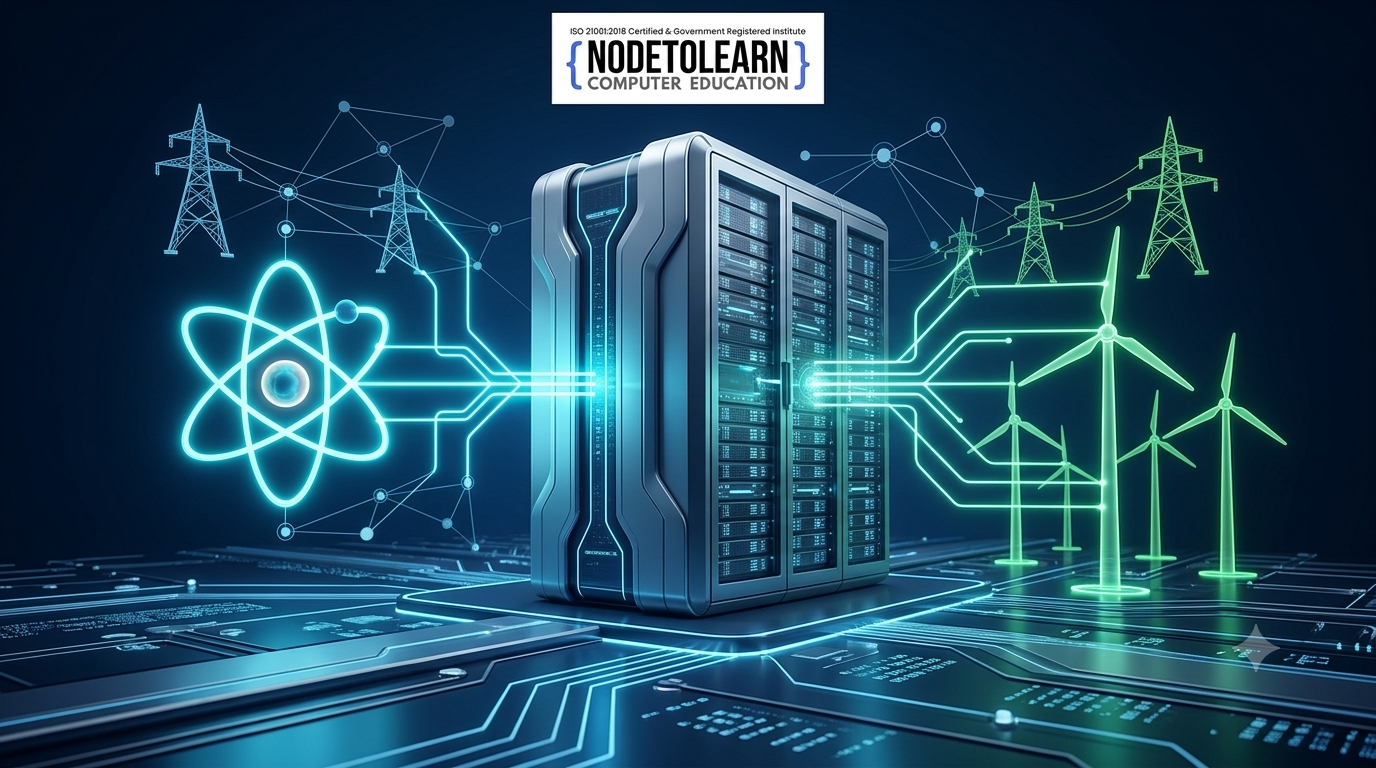
The single biggest constraint facing tech infrastructure deployment today isn't capital or chip shortages—it is the local utility grid. High-density AI training factories require exponentially more energy and more advanced liquid cooling setups than traditional corporate IT infrastructure. To bypass grid bottlenecks, tech companies are rewriting global energy policy through direct corporate alliances:
The Nuclear Revival
To secure a reliable, 24/7 stream of carbon-free electricity, major hyperscalers are signing historic deals with nuclear energy companies. These partnerships range from funding the development of small modular reactors (SMRs) to funding the reactivation of older, retired nuclear power facilities. Power has become the ultimate resource; tech enterprises are obsessing over securing every single megawatt of capacity.
Bring Your Own Generation (BYOG)
Because traditional public utility companies are struggling to keep pace with the power required for massive data center buildouts, tech conglomerates are increasingly adopting "Bring Your Own Generation" strategies. By acquiring multi-gigawatt pipelines of solar, wind, and battery storage infrastructure directly at the project level, hyperscalers are transitioning into autonomous, self-powering utilities.
3. The Fragmentation of the Global Technology Supply Chain
As digital infrastructure becomes a matter of national security, global policy and corporate technology strategies are merging. Governments worldwide are restricting cross-border data movements and implementing data sovereignty regulations, forcing tech alliances to localize.
As a result, we are seeing the rise of "Sovereign AI Infrastructure"—regional partnerships where local telecom giants, national governments, and global cloud hyperscalers join forces to construct localized data centers. These facilities ensure that a nation's sensitive domestic data is processed completely within its borders, altering the flow of global IT capital away from centralized server hubs.
Conclusion: Navigating the Complex Tech Landscape
The fast-evolving tech world demands a complete breakdown of traditional industry boundaries. Success in modern technology consulting, venture capital, corporate strategy, or enterprise engineering requires a thorough understanding of how data networks, energy systems, and global business choices intersect. Equip yourself with the strategic technical insight needed to lead in this new era by exploring the advanced infrastructure courses at NodeToLearn today!


Frequently Asked Questions
Got questions? We've got answers. Explore everything you need to know about starting your tech career with NodeToLearn.
Still have questions?
Contact Our Team