

The Dark Side of AI Development: The Rise of Vibe Coding Security Flaws
 Jun 03, 2026
•
Jun 03, 2026
•
 NodeToLearn Expert
Introduction
Coined in early 2025, the term "vibe coding" quickly became the tech industry's favorite shorthand for an entirely new paradigm of software development. It describes a workflow where a developer or creator steps away from typing line-by-line syntax, instead using natural language prompts to let Large Language Models (LLMs) build entire applications. You guide the vision, and the AI handles the execution. You just "vibe."
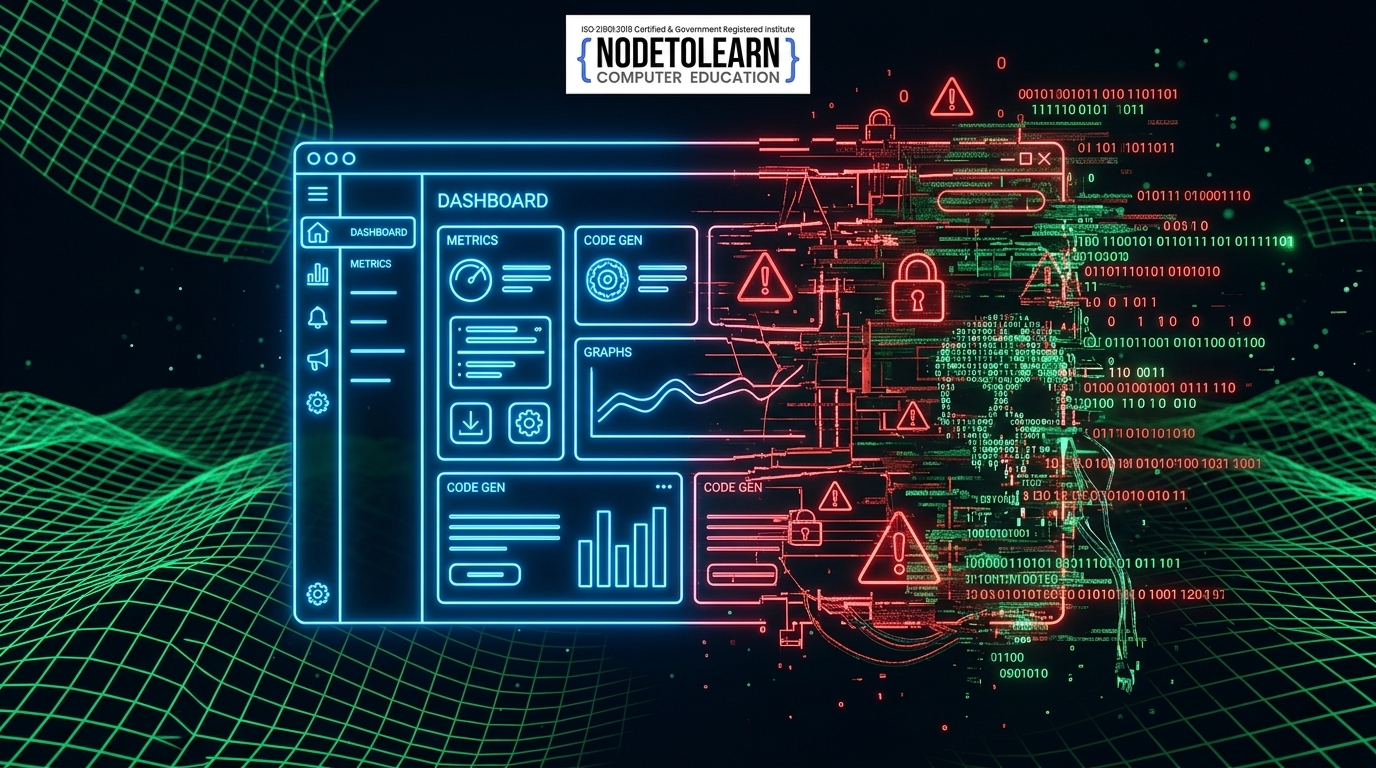
However, as we push through 2026, the tech community is facing a massive wake-up call. While vibe coding lets individuals prototype applications at lightning speed, it is simultaneously introducing an unprecedented wave of systemic security vulnerabilities. Writing functional code is not the same as writing secure code.
Why Vibe Coding is a Security Nightmare
The core problem stems from a simple mismatch: AI models are optimized to produce code that *looks* right and *runs* immediately during benign testing. They prioritize the path of least resistance. Unfortunately, secure coding principles require anticipating edge cases, hostile inputs, and defensive configurations—elements that AI models regularly gloss over unless strictly forced to implement them.
When software is shipped with minimal human review by developers who don't fully understand the underlying architecture, critical flaws inevitably slip through to production.
The 4 Most Common Flaws Found in Vibe-Coded Apps
1. Injection Vulnerabilities and Unsanitized Inputs
AI models frequently generate code that directly handles user inputs without proper sanitization. For example, a generated database script might use basic string interpolation instead of parameterized queries. This leaves applications instantly open to devastating SQL Injection (SQLi) and Cross-Site Scripting (XSS) attacks once deployed to a live server.
2. Unverified and Outdated Third-Party Dependencies
To solve complex coding requests quickly, AI tools frequently pull in obscure open-source libraries, packages, or frameworks. Because the LLM does not perform active security audits, it may suggest packages that are outdated, deprecated, or riddled with known Critical Vulnerabilities and Exposures (CVEs), exposing the software supply chain to malicious actors.
3. Exposed Secrets and Hardcoded Credentials
During rapid prototyping cycles, AI-generated configurations often embed sensitive data—such as API keys, cryptographic tokens, database passwords, or permissive defaults—directly inside the codebase files rather than routing them through a secure environment file or password vault. If this code is pushed straight to a public repository, those credentials are leaked immediately.
4. Total Loss of Codebase Familiarity
Perhaps the most insidious risk isn't the bad code itself; it's the "black box" phenomenon. When a developer builds an app entirely through high-level conversational prompting, they lose deep technical familiarity with how the software operates. If a major logic bug or a live security breach occurs, the team lacks the foundational codebase knowledge required to debug and patch the issue quickly.
The Numbers Don't Lie
Recent cybersecurity industry reports highlight just how widespread this issue has become. Studies show that roughly 25% of all AI-generated code features confirmed vulnerabilities, and nearly 1 in 5 modern enterprise data breaches can now be traced back to unreviewed code built by autonomous tools or AI assistants.
How to Safely Embrace AI-Driven Coding
Vibe coding is an incredible tool for innovation, but it cannot survive without strict governance. To secure your AI-assisted projects, implement these habits:
- Keep a Human in the Loop: Never deploy AI-generated blocks to production without a comprehensive manual peer review.
- Automate Your Sensors: Integrate automated Application Security Tools (SAST/DAST) directly into your GitHub or development pipeline to catch security defects.
- Enforce Explicit Security Prompts: Don't just ask the AI to build a feature. Force it to write code using zero-trust models, secure environment variable routing, and input field validation.
Conclusion
AI is transforming the way we build software, but it also demands a stronger understanding of security than ever before. Knowing how to spot, audit, and fix these automated flaws is the defining skill set of the modern era. Want to build applications that are both innovative and secure? Explore our comprehensive development and ethical hacking paths at NodeToLearn today!


Frequently Asked Questions
Got questions? We've got answers. Explore everything you need to know about starting your tech career with NodeToLearn.
Still have questions?
Contact Our Team